
Choosing between Prague vs Vienna is a classic dilemma for anyone planning a city break in Central Europe. Both cities are rich in history and music, and both are easy to reach, yet they feel very different once you arrive. The better choice depends on what you want from your days away.
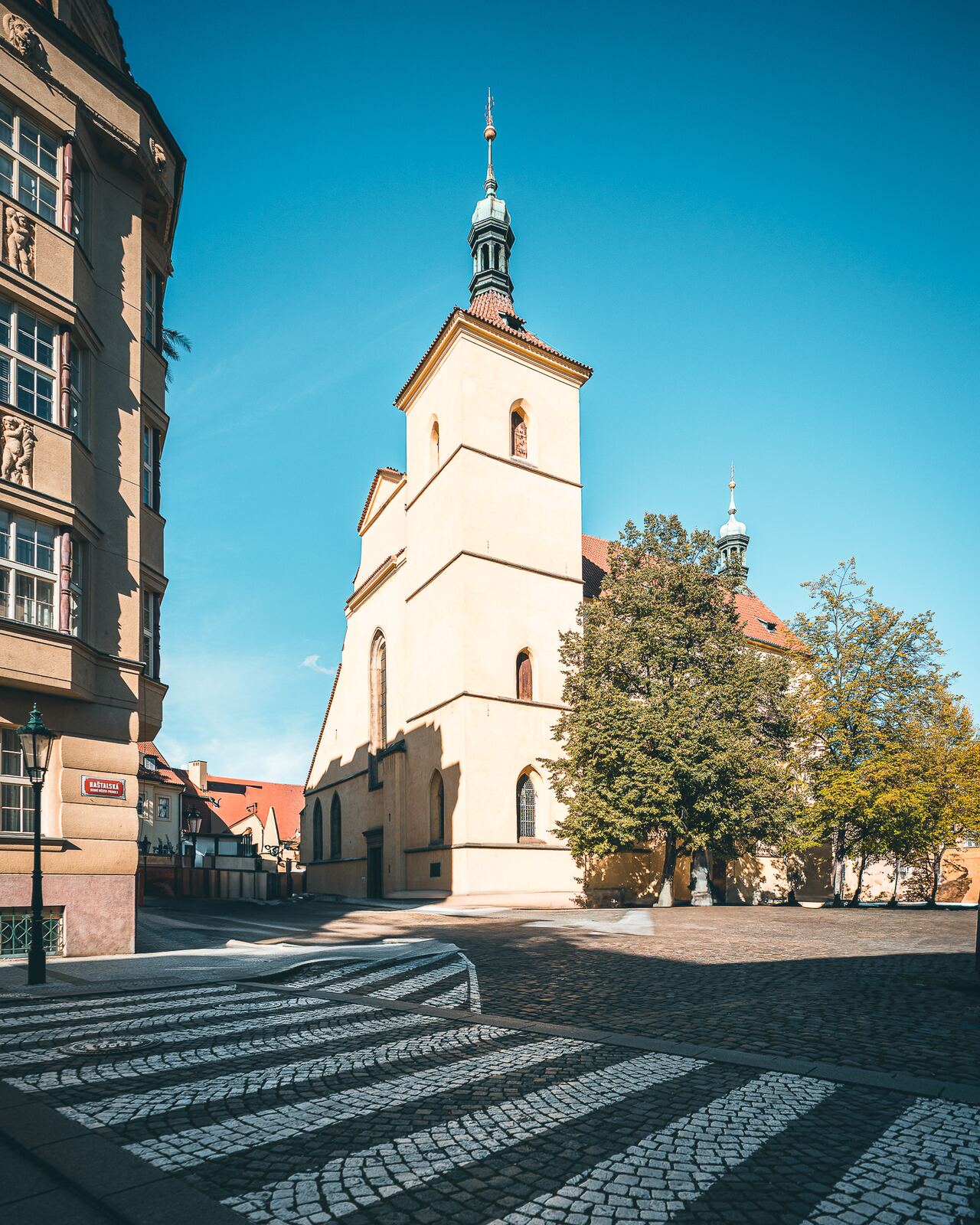
Our family-run boutique hotel on the quiet Haštalské náměstí sits between the Old Town and Josefov, so we often talk with guests who are weighing these two capitals. This guide compares them on atmosphere, walking, culture, food and cost, and it ends with a clear verdict.
Prague vs Vienna: Atmosphere and Crowds
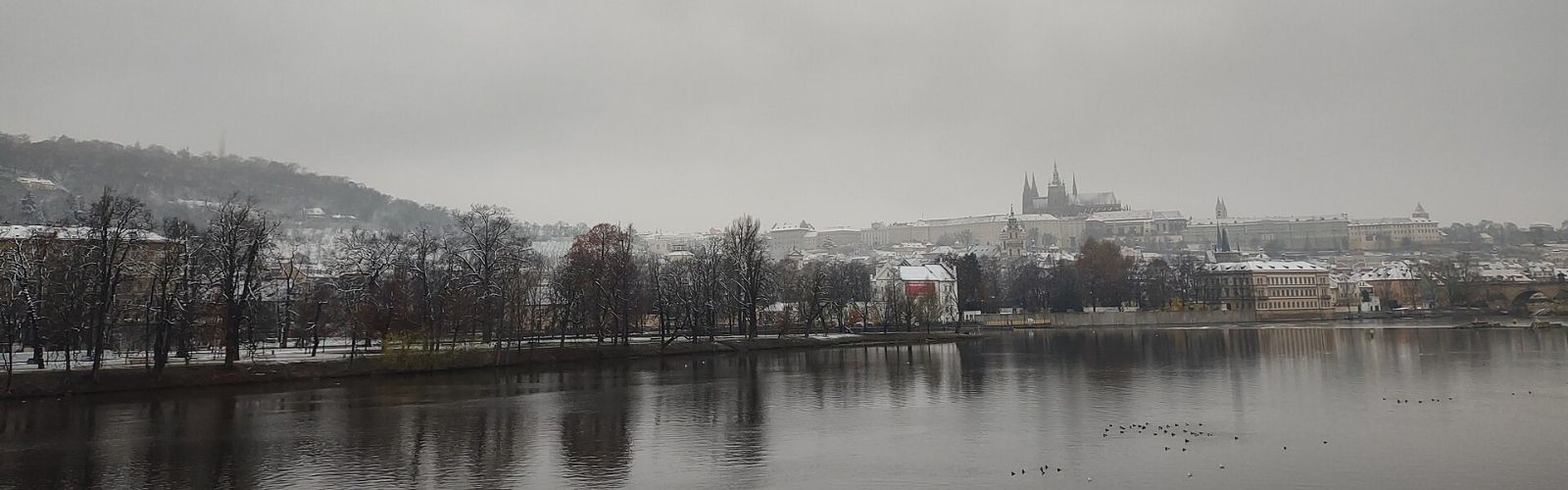
Prague grew from a dense medieval core, and you feel it immediately. Streets are narrow, squares are close together, and many of the best views appear around a corner. The historic centre has been on the UNESCO World Heritage List since 1992. Because everything is so compact, the most famous places, such as the Charles Bridge and the Old Town Square, fill up quickly during the day.
Vienna feels more spacious and formal. Its grand Ringstrasse boulevard, wide squares and imperial palaces give it an orderly, stately air. It is also the larger city, with roughly two million residents compared with about 1.4 million in Prague, and the crowds spread out more evenly. If you like a lively, storybook setting, Prague suits you. If you prefer a calm, elegant capital, Vienna may be the better fit.
Prague vs Vienna: Walkability and Getting Around
Both cities are pleasant to explore, but they reward different habits.
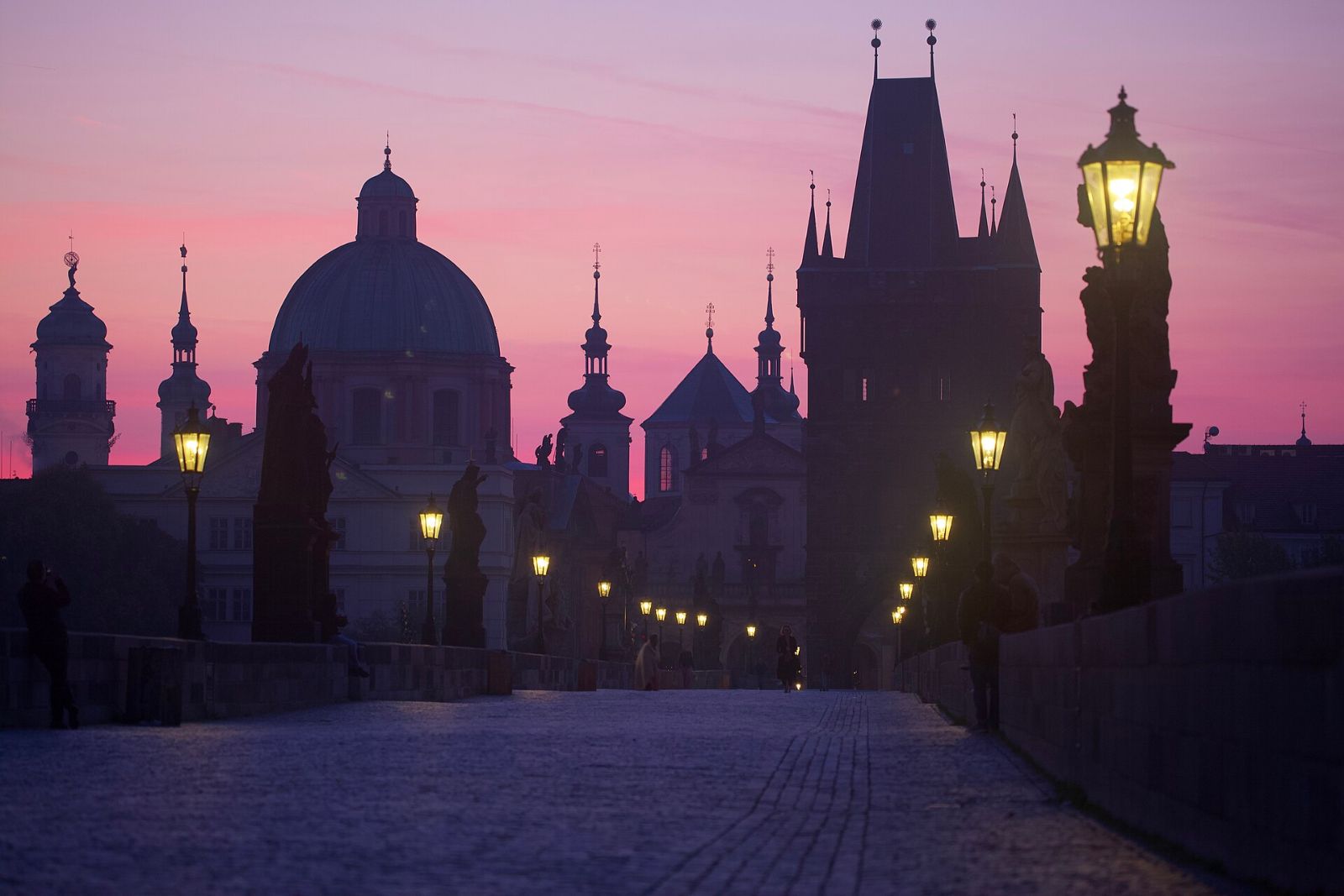
- Prague: The centre is made for walking. From our hotel, the Old Town Square is only about 600 metres away, which is roughly an 8 to 10 minute stroll. Cobblestones can be uneven, so comfortable shoes help.
- Vienna: The inner district is walkable too, but the sights are more spread out. You will probably use the efficient metro, tram and bus network to reach places such as Schönbrunn Palace.
Public transport is simple in both cities. In Prague, a 24-hour ticket costs 150 CZK on paper or 140 CZK in the PID Lítačka app, according to the Prague Integrated Transport website. In Vienna, a 24-hour pass costs around 9 euros at the time of writing, so check the Wiener Linien website for current fares.
Culture and Sights: Gothic Charm or Imperial Grandeur
The Prague Experience
Prague is a city to wander. Gothic spires, baroque churches and Art Nouveau facades sit side by side, and the castle looks down over the river. Walk to the Astronomical Clock, cross the Charles Bridge and then slip into Josefov, where the old synagogues tell a different story. Our self-guided Josefov walk starts just outside the hotel.
The Vienna Experience
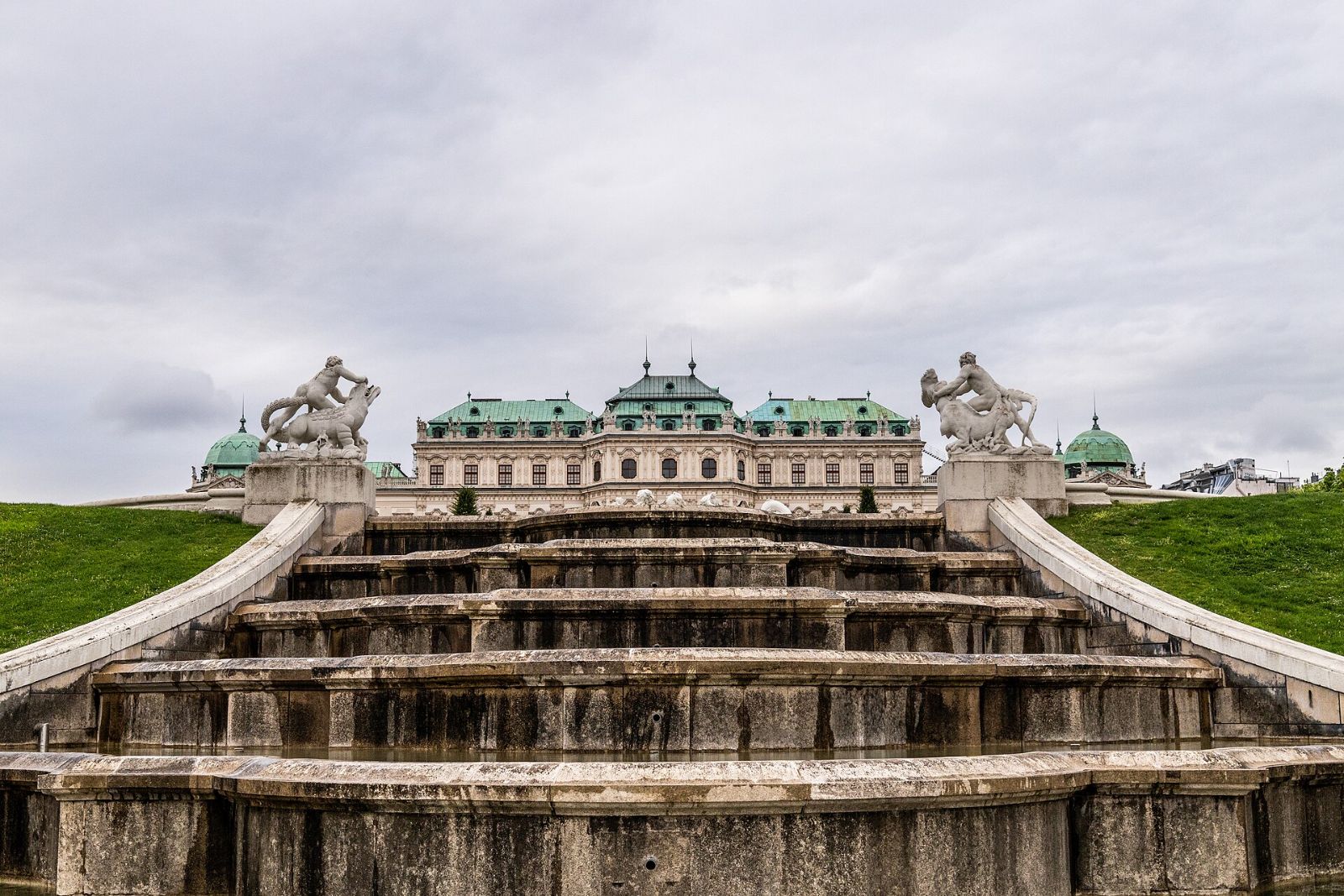
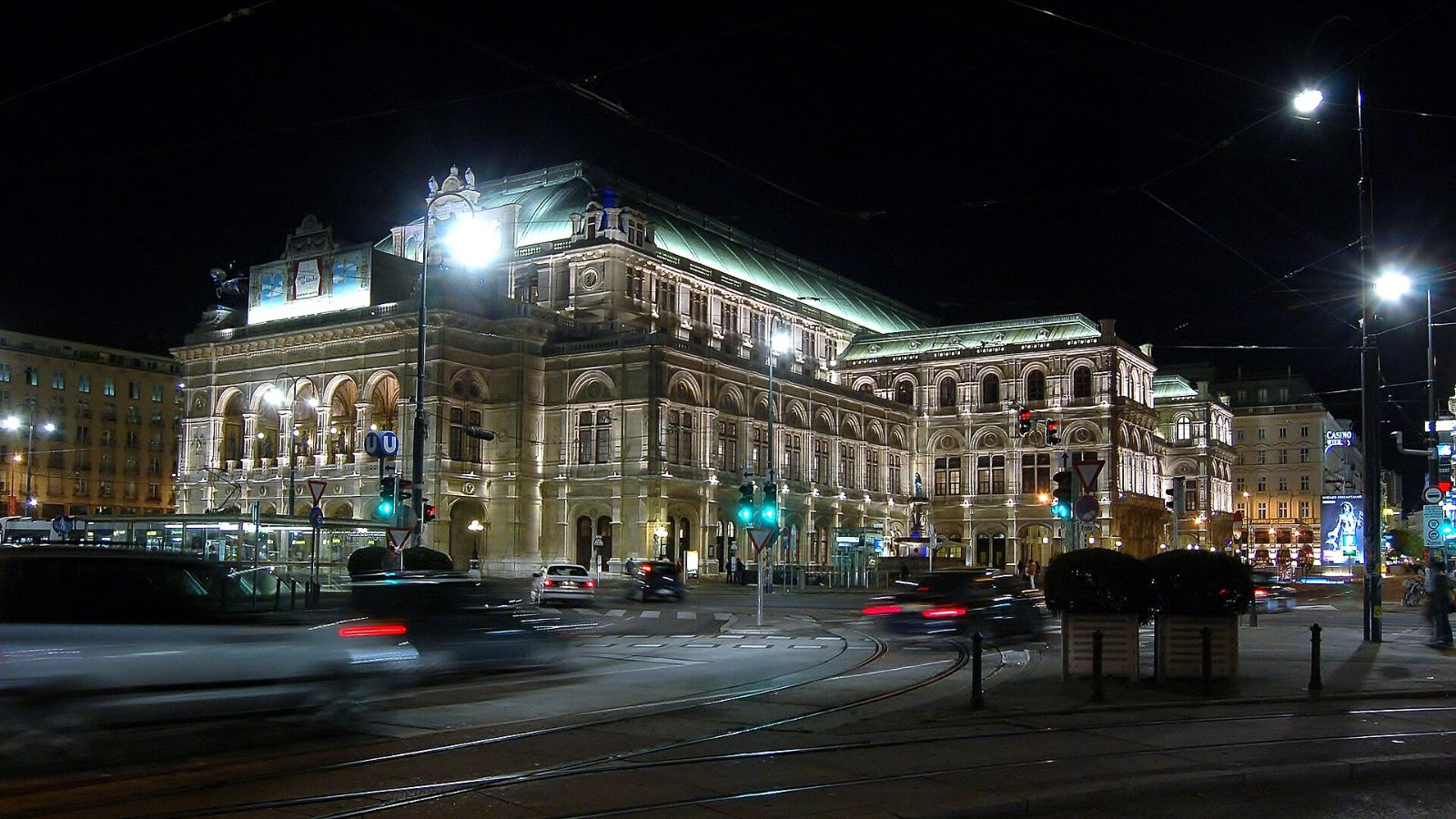
Vienna is the city of the Habsburgs, and its sights are on a grand scale. The historic centre is also a UNESCO World Heritage Site, and the city is famous for classical music, opera and major art museums. Highlights include the Belvedere, with its baroque gardens, and the State Opera on the Ringstrasse.
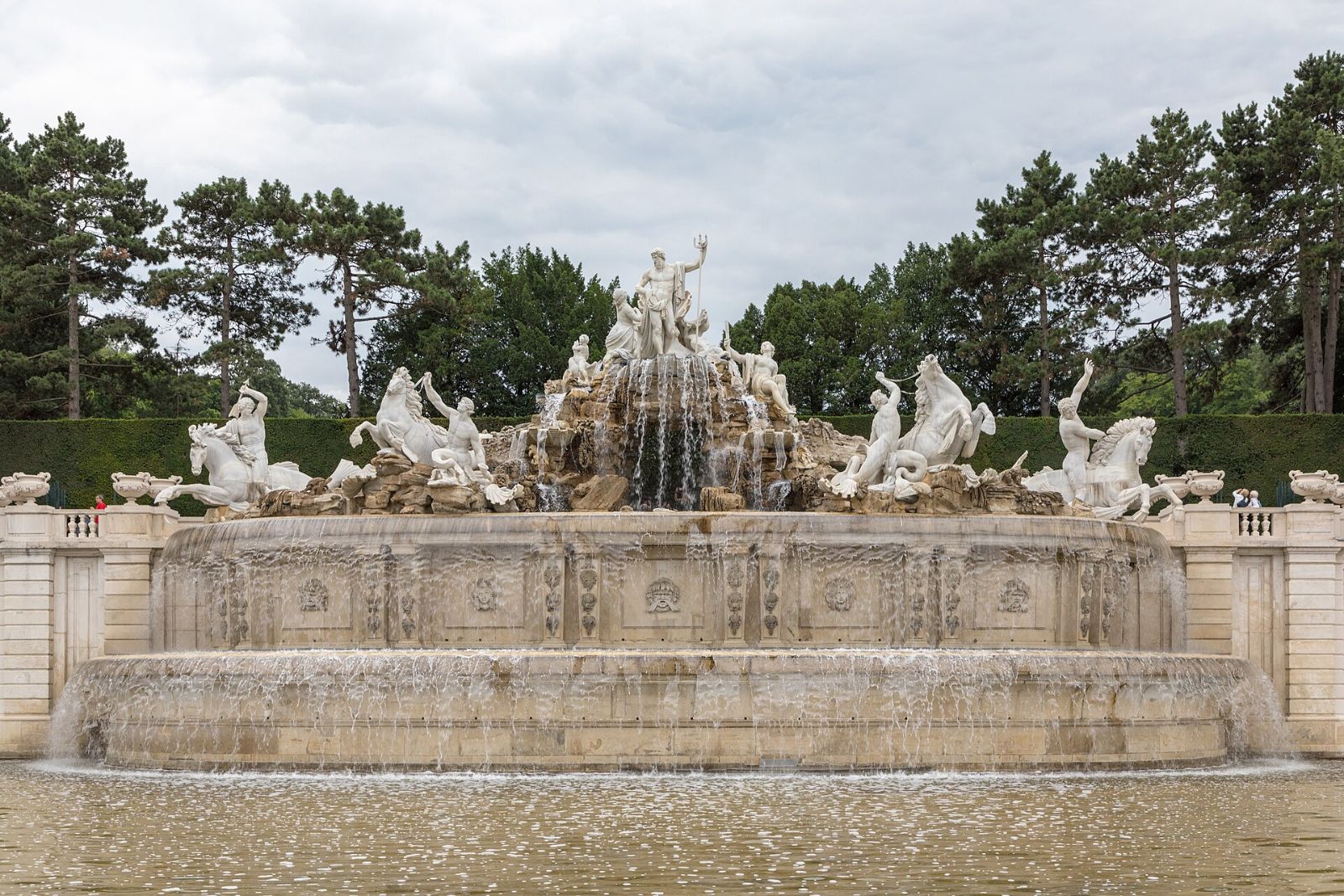
Schönbrunn Palace is the other big draw. Adult tickets for the palace start at around 28 euros, while the gardens are free to enter, so you can enjoy the park even on a tight budget. Always confirm prices and opening times on the official Schönbrunn website before you go.
Food, Coffee and Evenings Out
Prague serves hearty Czech dishes such as roast pork, dumplings and goulash, often paired with local beer. Vienna is known for schnitzel, rich pastries and its coffee house culture, which UNESCO recognises as an intangible cultural heritage. In both cities, the best meals are often a few streets away from the main sights.
The evenings differ as well. In Prague, you can drift between small bars, jazz clubs and candlelit cellars. In Vienna, many visitors choose a concert or a night at the opera, followed by a late dessert.
Costs and Value
Vienna is generally the pricier of the two, especially for central dining, palace tickets and hotels. Prague usually offers more for your money, although the busiest tourist streets cost more in both cities. To keep your budget in check, travel in the shoulder seasons and eat a street or two away from the main sights. For a look at good-value options in Prague, see our guide to historic hotels in Prague.
Prague vs Vienna: Which City Is Right for You?
- Choose Prague if: you want a compact, walkable centre, a fairy-tale skyline and good value for money.
- Choose Vienna if: you love imperial palaces, classical music, grand museums and café culture.
- Choose both if: you have a week or more. The trains are fast and comfortable, as we explain in our guide to the Prague to Vienna train.
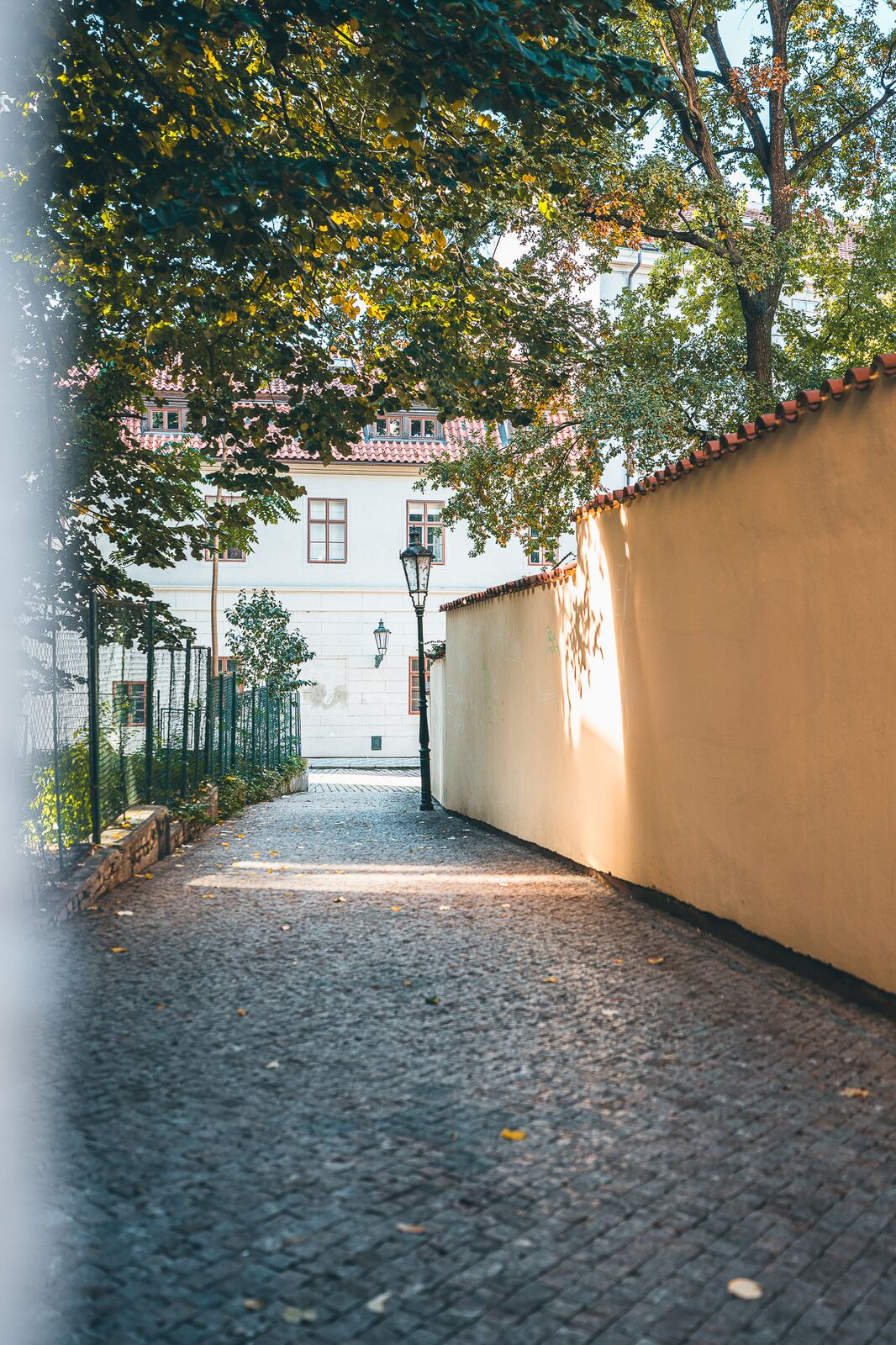
If Prague wins, our hotel is a peaceful base from which to explore. To see what makes it different, read our boutique hotel Prague Old Town guide.
Prague vs Vienna FAQ
Tap a question to see the answer.
Is Prague cheaper than Vienna?
Generally, yes. Prague tends to cost less for hotels, dining and transport, although prices in both cities depend on the season and the areas you choose.
Which city is better for a first visit to Central Europe?
Prague suits first-time visitors who want a compact, walkable centre. Vienna suits those who prefer grand museums, palaces and classical music. Many travellers visit both.
How many days do I need in each city?
Three nights is a comfortable minimum in either city. That gives you time for the main sights without rushing, and it leaves room for a slower morning or a day trip.
How do I travel between Prague and Vienna?
The direct train between the two capitals takes a little over four hours and runs from city centre to city centre. Our guide to the Prague to Vienna train explains operators, tickets and stations.
Is Prague more walkable than Vienna?
For the main sights, yes. Prague’s historic centre is small enough to cover on foot, while Vienna’s attractions are more spread out and are easier to reach with public transport.
Ready to plan your trip? Book your stay directly on the Hotel Haštal Prague website, or contact the hotel with any questions.