Travel is changing as we head into 2027. Many visitors now want convenience, a genuine local feel and the freedom to explore on foot. Choosing the best European city breaks is no longer only about ticking off famous monuments. It is about finding a place with real character that is easy to reach and easy to enjoy in a few days.
This guide looks at five cities that suit a short trip: Prague, Vienna, Budapest, Kraków and Lisbon. We compare them on walkability, atmosphere, value and how easy they are to reach. Our family-run boutique hotel on Haštalské náměstí in Prague naturally knows one of them best, but we have tried to be fair to the others.
What Makes the Best European City Breaks?
A great city break is one where you spend your time seeing the sights rather than sitting on a bus or a train. Four things matter most:
- Walkability: Can you reach the main sights on foot? Dense, historic centres are almost always the most rewarding for short trips.
- Atmosphere: Is the city lively without being overwhelming? You want a real city, not just a tourist trail.
- Connections: Check your flight or train options from home. A trip with several changes can turn a short break into a chore.
- Value: Think about your daily spend, from coffee and meals to museum tickets and transport.
Prague: The Walkable Fairy-Tale Capital
Prague earns its place among the best European city breaks because its historic centre is compact and beautiful. The centre has been a UNESCO World Heritage Site since 1992, and Gothic spires, baroque churches and Art Nouveau facades stand side by side. You can walk from Old Town Square to the Charles Bridge in under 20 minutes from our hotel, and most major sights are even closer.
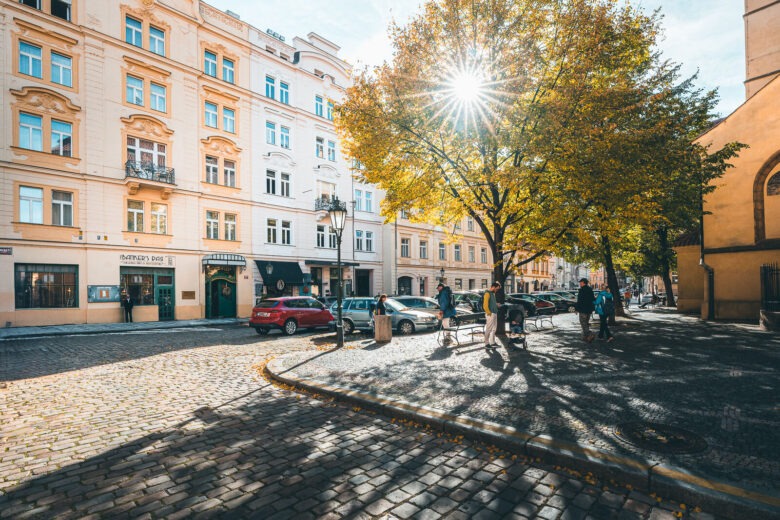
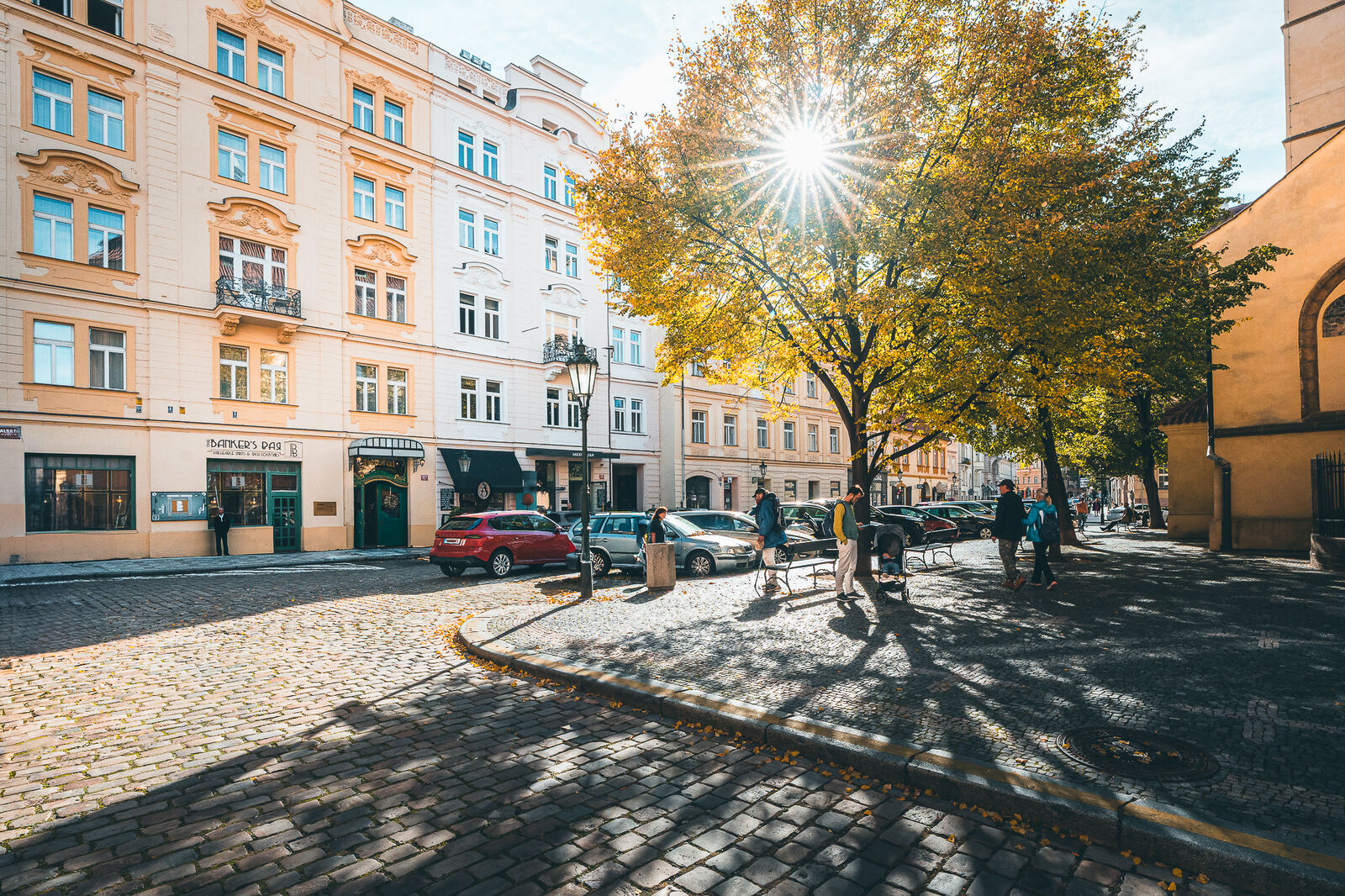
The real magic lies in the quieter corners. While many visitors crowd into the main squares, the calm streets around Haštalské náměstí, where the Old Town meets Josefov, feel far more local. See our guide to attractions within walking distance of the hotel for real walking times, or take our self-guided Josefov walk.
Vienna: Imperial Elegance
Vienna offers a more formal kind of beauty. Its historic centre is also a UNESCO World Heritage Site, and the grand Ringstrasse, the Hofburg and the opera house give the city an elegant, orderly feel. It is known for classical music, major art museums and a coffee house culture that UNESCO recognises as intangible cultural heritage. Sights are more spread out than in Prague, so expect to use trams and the metro as well as your feet.
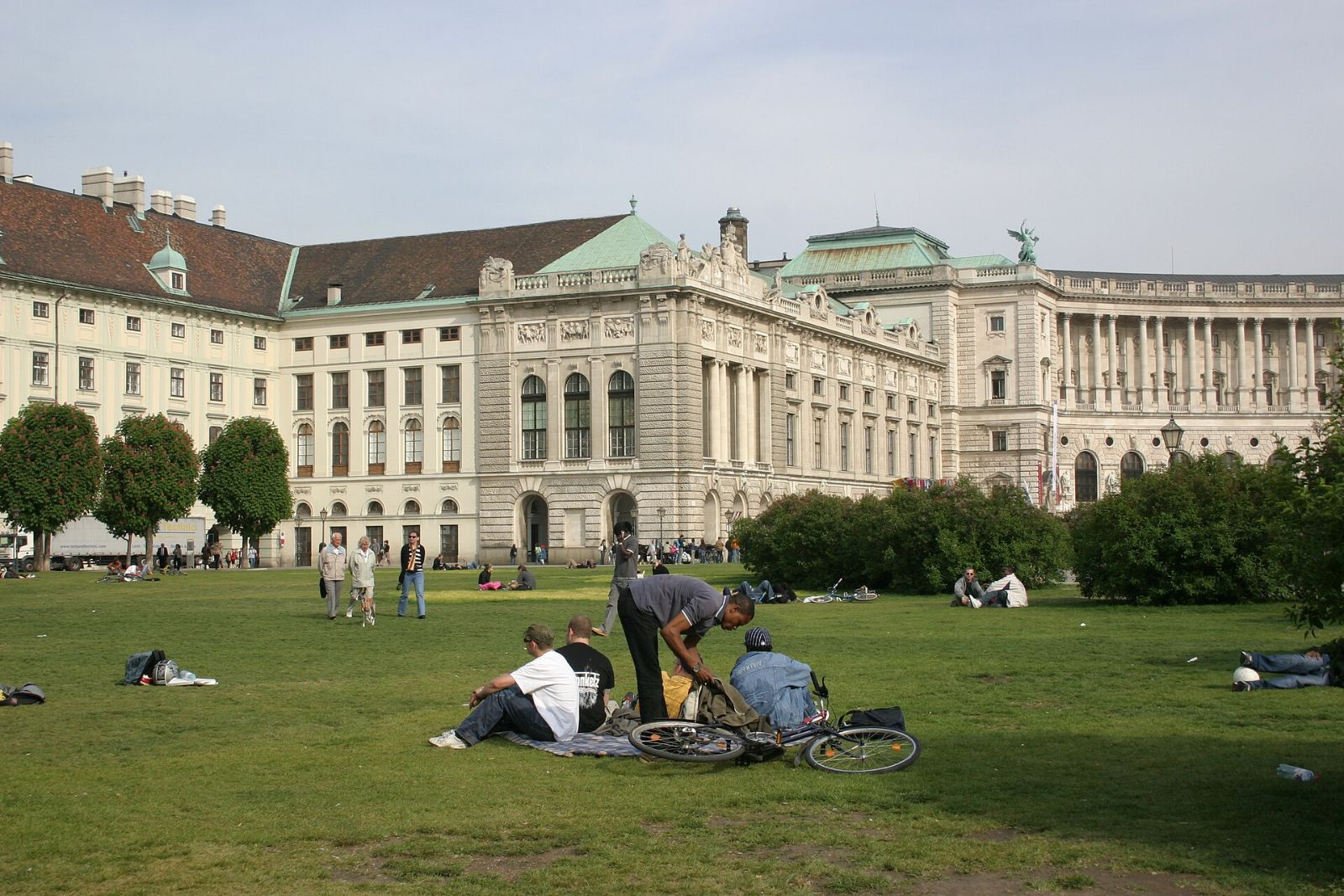
Not sure which of the two to pick? Read our comparison of Prague vs Vienna. Better still, visit both: the direct train takes a little over four hours, as we explain in our Prague to Vienna train guide.
Budapest: Thermal Baths and Riverside Views
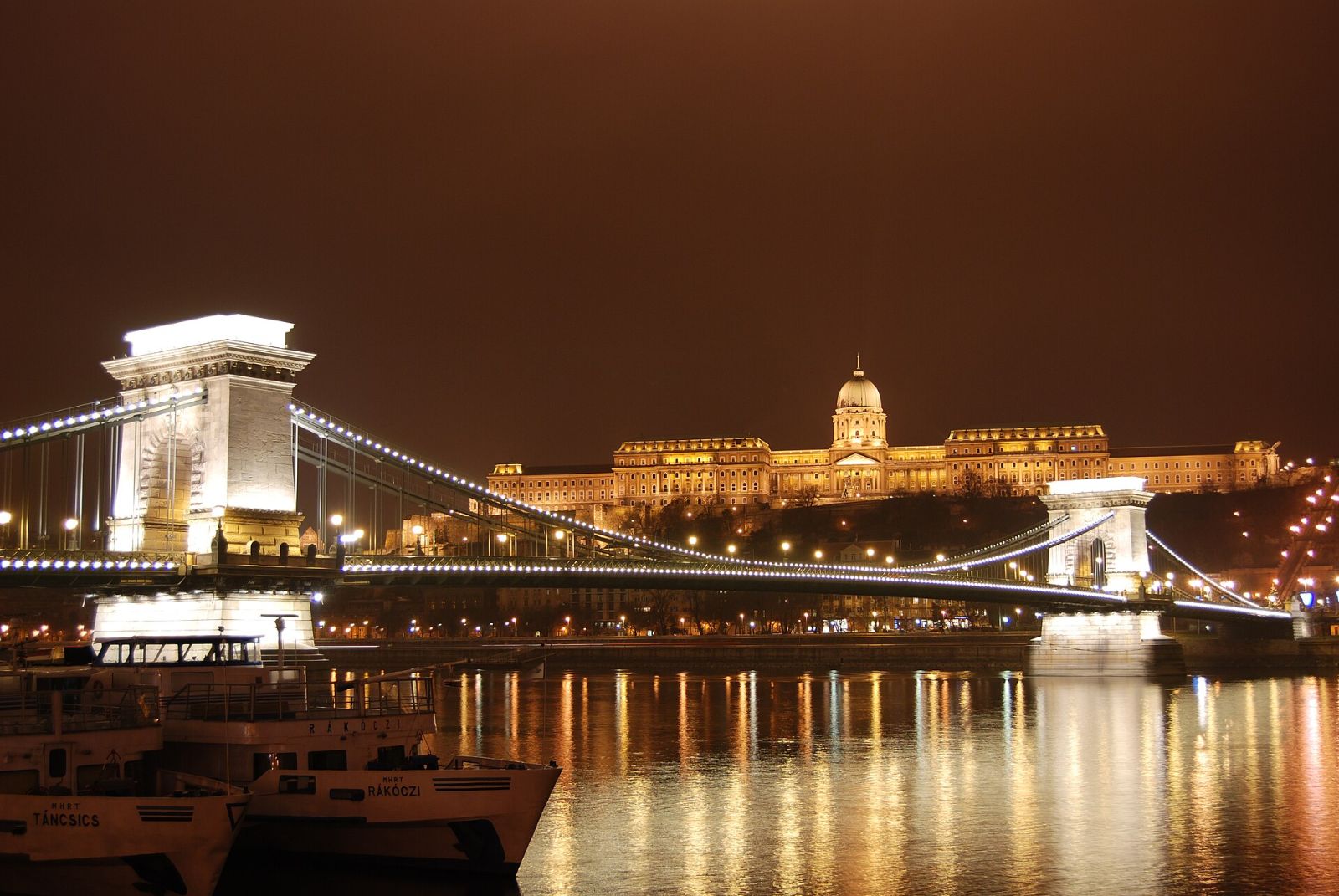
The Danube splits Budapest into hilly Buda and flat Pest, and the views across the river are a highlight of any visit. The Banks of the Danube, the Buda Castle Quarter and Andrássy Avenue form a UNESCO World Heritage Site. The city is also famous for its thermal baths, where you can soak in warm mineral water after a day of sightseeing. Budapest feels larger and busier than Prague, so allow time for trams and the metro.
Kraków: Medieval Charm in Southern Poland
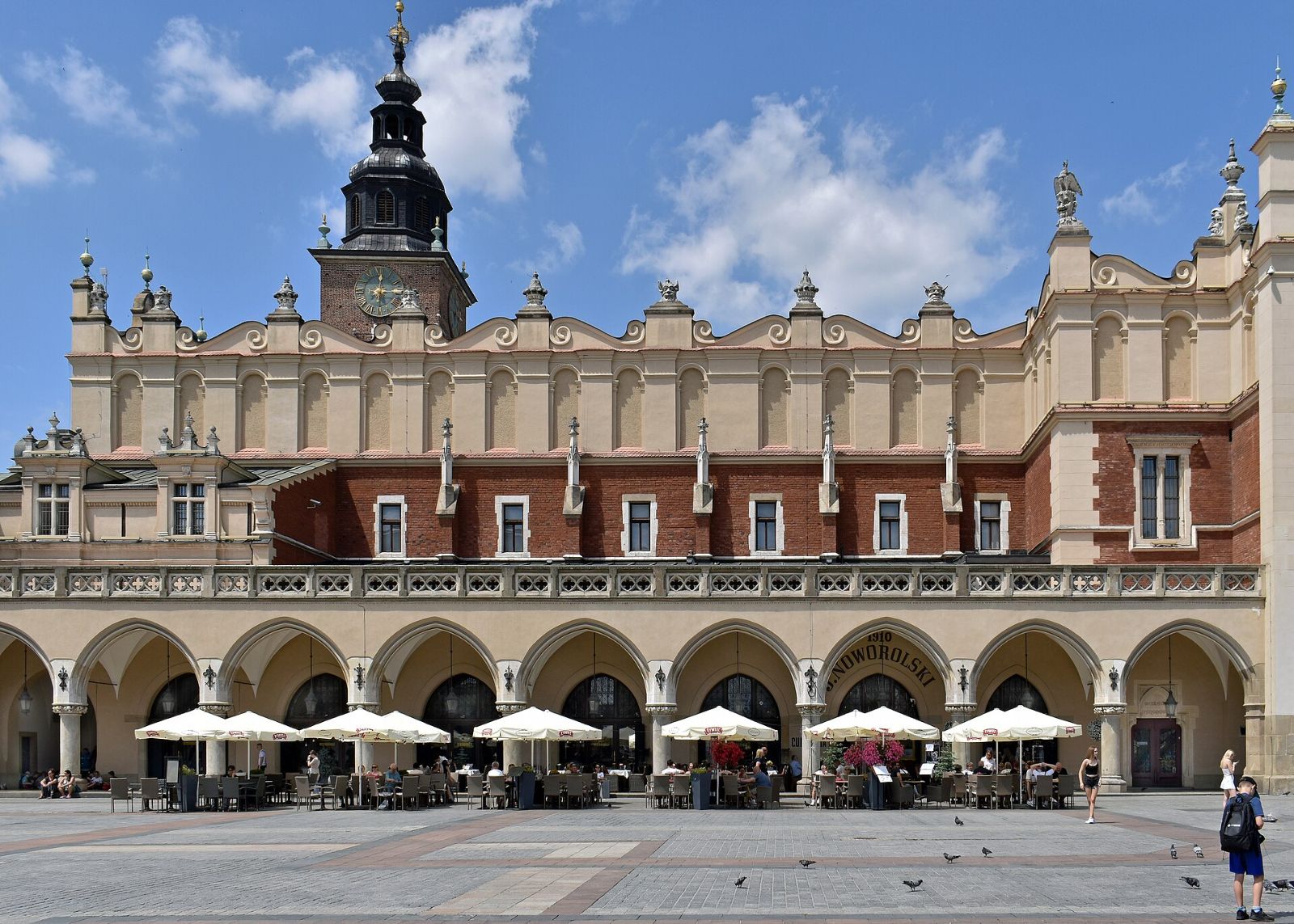
Kraków is a smaller, friendlier city, and its centre is easy to cover on foot. The historic centre was among the first sites placed on the UNESCO World Heritage List, in 1978. The Main Market Square is one of the largest medieval squares in Europe, and the Cloth Hall in its middle has traded goods for centuries. It is a good choice if you like a lively but manageable city.
Lisbon: Hills, Trams and the Atlantic Light
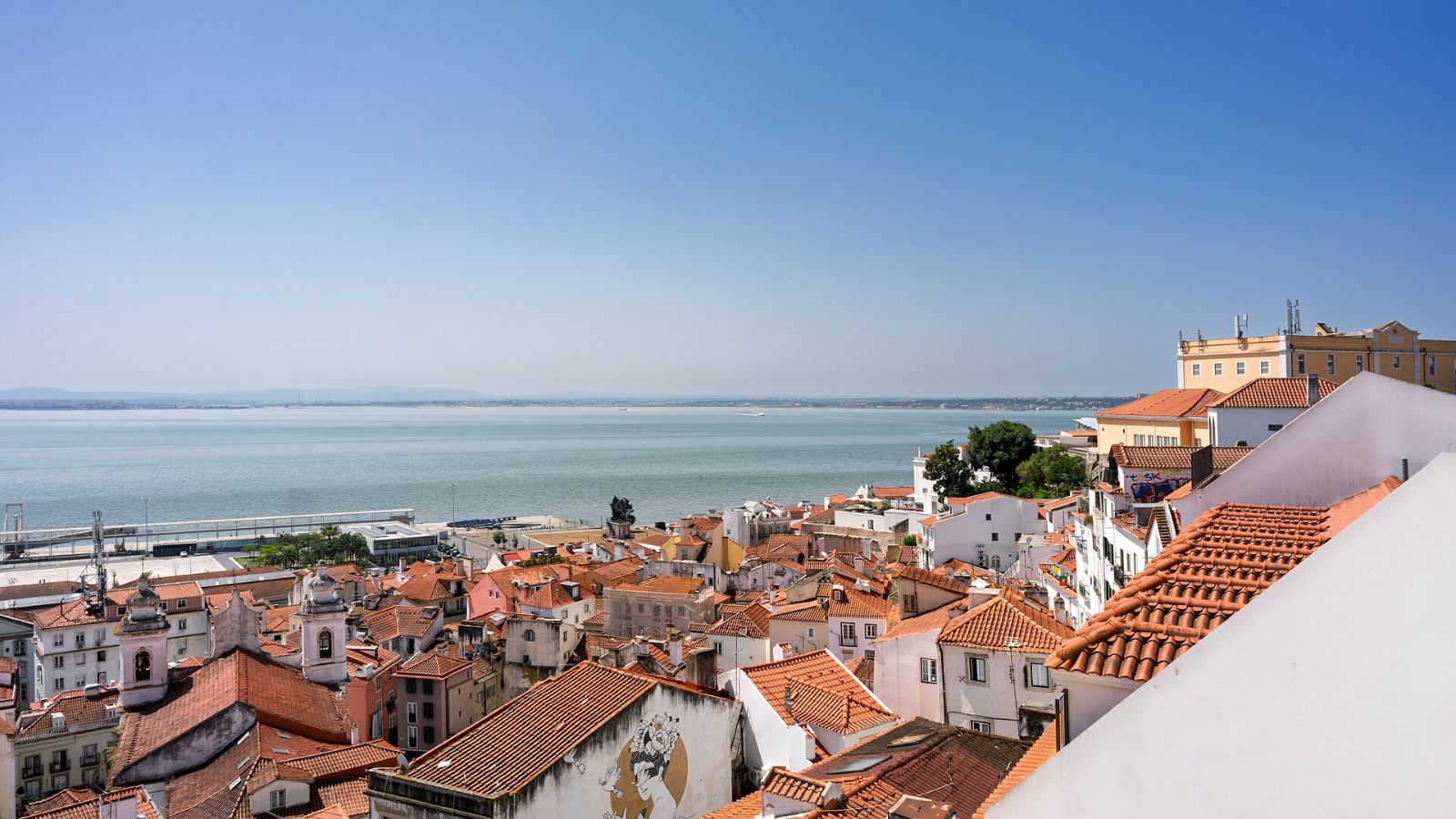
Lisbon offers a very different mood: pastel houses, steep hills, yellow trams and views over the Tagus river. Neighbourhoods such as the Alfama reward wandering, although the hills mean comfortable shoes are essential. It is further from Central Europe, so most visitors fly in, but the mild climate makes it appealing outside the summer peak.
A Cultural Tip for 2027: Évora
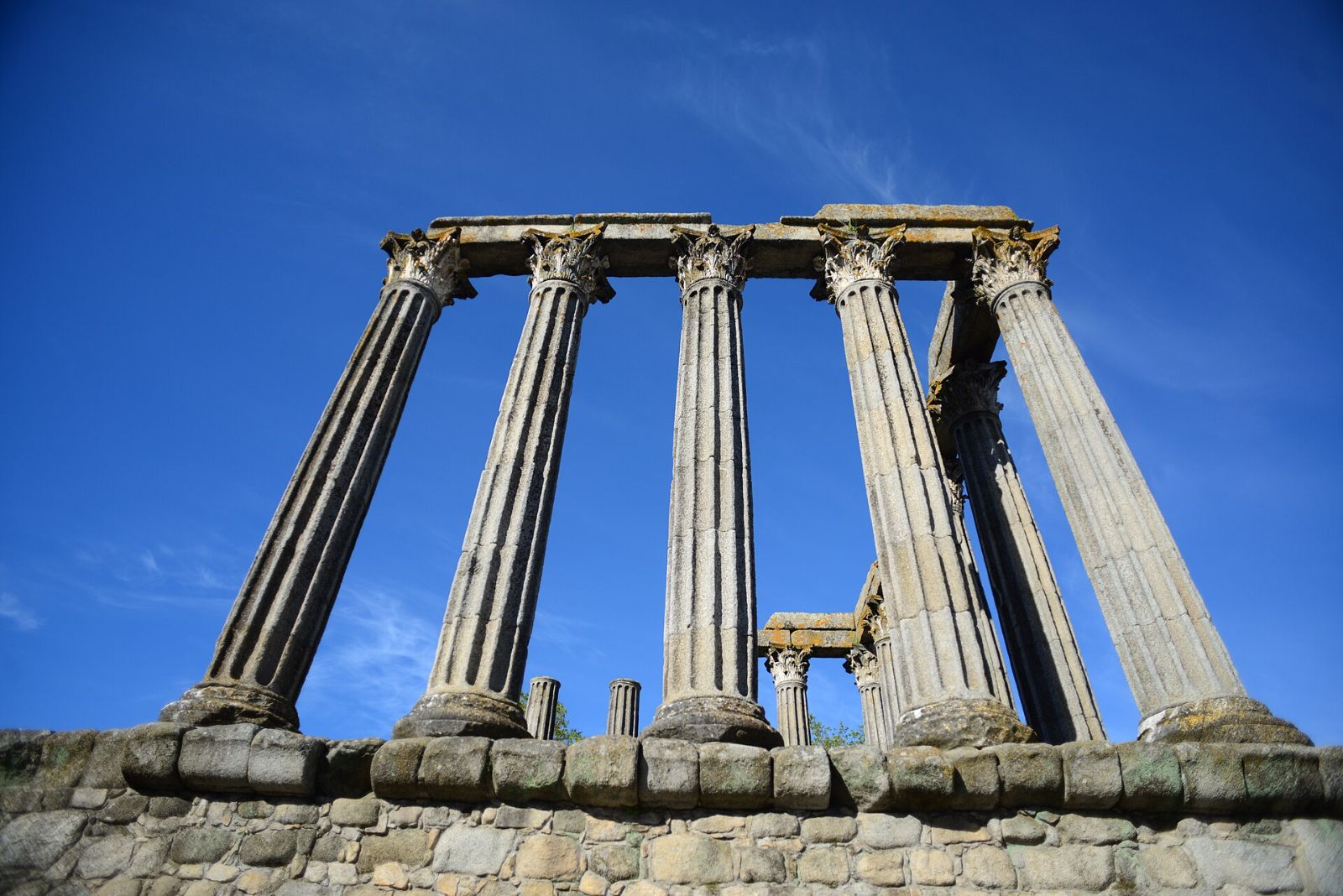
If you want something less obvious, look at Évora in southern Portugal. The European Union has named it one of the two European Capitals of Culture for 2027, together with Liepāja in Latvia. Évora has a historic centre with a Roman temple, and it makes an easy day trip or quiet break from Lisbon. You can read more on the European Commission’s culture page.
Best European City Breaks at a Glance
- Prague: best for a compact, walkable and romantic historic centre.
- Vienna: best for imperial architecture, music and coffee house culture.
- Budapest: best for thermal baths and river views.
- Kraków: best for a friendly, medieval-style old town at an easy pace.
- Lisbon: best for hills, tiles, trams and mild weather.
Tips for Planning Your 2027 City Break
- Travel in the shoulder seasons: Spring and autumn give you better weather than winter and far fewer crowds than summer.
- Book early: The best-located boutique hotels tend to fill up months ahead, especially around holidays.
- Prioritise location: A central but quiet base saves a great deal of time and energy.
- Check the entry rules: The EU’s Entry/Exit System was due to be fully in place from April 2026, and the ETIAS travel authorisation for visa-exempt visitors has been expected to start from late 2026. Dates can change, so check the official EU travel website before you book.
- Check local events: Festivals and public holidays can change the pace of a city, so look up your dates before you commit.
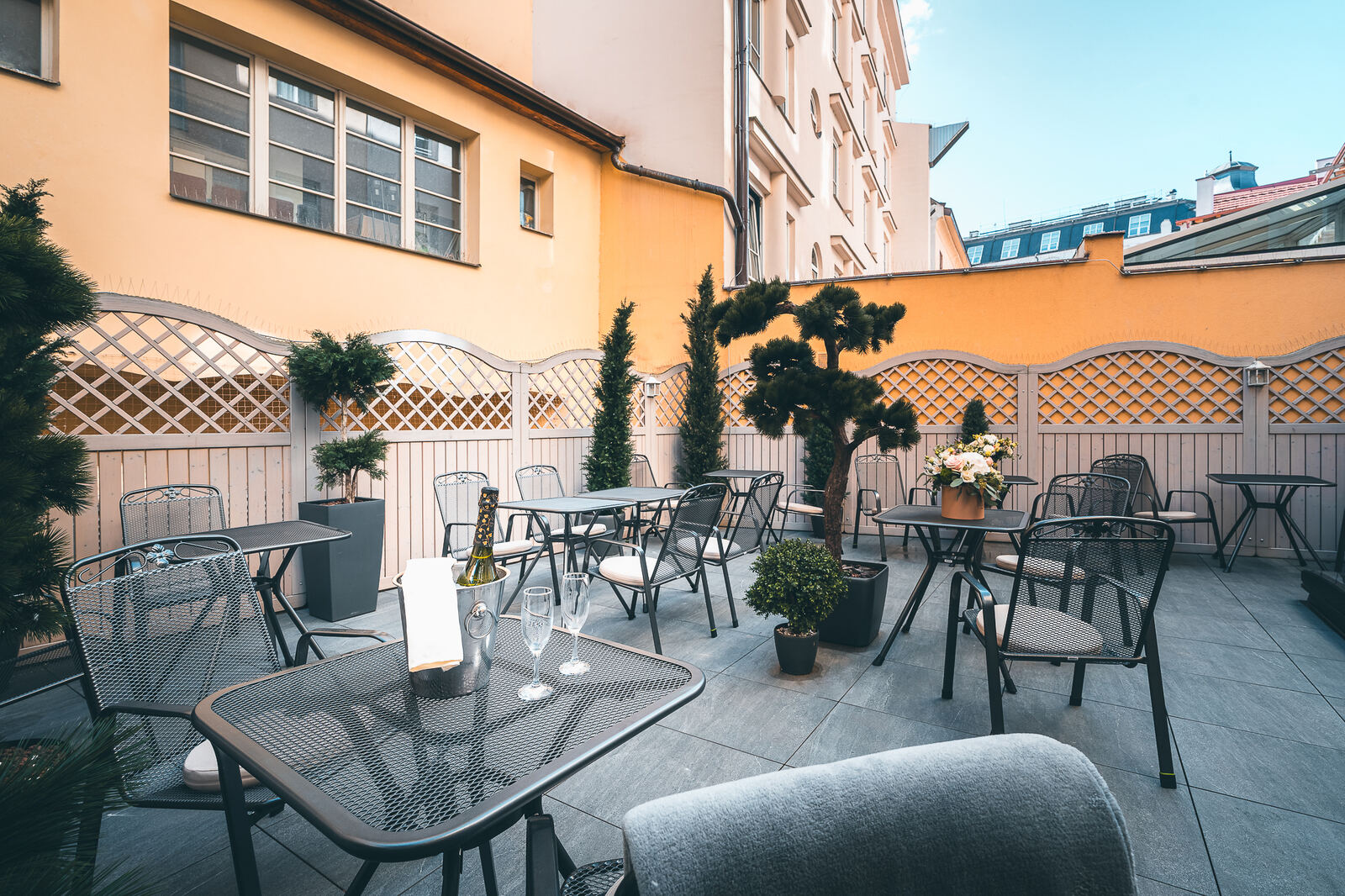
If Prague is on your list, read our guide to choosing a boutique hotel in Prague Old Town.
Best European City Breaks FAQ
Tap a question to see the answer.
What is the most walkable city in Europe for a short break?
Many cities qualify, but Prague stands out because its historic centre is compact. Most of the main sights are within a 20-minute walk of each other.
How many days do I need for a city break in Prague?
Three to four days is enough to see the main sights and still enjoy the atmosphere at a relaxed pace.
When is the best time to visit European cities?
Late spring and early autumn are usually the sweet spots, with pleasant weather and smaller crowds than in summer.
Is it better to stay in the city centre?
Usually, yes. A central base, ideally on a quiet street at the edge of the old town, saves time and lets you walk to most sights.
Can I combine two cities in one trip?
Yes. Prague and Vienna are linked by a direct train that takes a little over four hours, which makes them an easy pair for a longer break.
If you are heading to Prague, book your stay directly on the Hotel Haštal Prague website, or contact the hotel with any questions.